
Experience the beauty of Dubai with a captivating view of the Burj Khalifa at sunset while planning your travel to Dubai.

The Ultimate Guide: Travel to Dubai in 2024 and Elevate Your Experience

Why Travel to Dubai Should Be Your Next Adventure

If you’re seeking a destination that merges cutting-edge modernity with rich cultural heritage, then travel to Dubai should be at the top of your list. Nestled in the United Arab Emirates, Dubai is a city that invites exploration and promises experiences unlike any other. Its swift transformation from a modest fishing village into a global metropolis showcases its unparalleled development and opulence.

Exploring the Unique Culture and History of Dubai

Dubai’s history is as rich as its skyline is tall. Starting as a small trading port in the early 19th century, Dubai began its rise as a regional hub for commerce due to its strategic location along trade routes. It wasn’t until the discovery of oil in the 1960s that the city received an economic boost, enabling rapid modernization and infrastructural development.

Beyond its modern glass skyscrapers like the Burj Khalifa, visitors can immerse themselves in the local culture by visiting the Dubai Museum located in the Al Fahidi Fort, Dubai Creek for a glimpse of the old trading days, and the spice and gold souks which echo tales of the city’s trade history. Museums, art galleries, and theaters such as Alserkal Avenue, and Dubai Opera reflect the contemporary side of Dubai’s culture, showcasing art, music, and performing arts that thrive in this desert metropolis.

The Best Times to Travel to Dubai

The ideal time to visit Dubai is from November to March when the weather is pleasantly cool and perfect for outdoor activities. During these months, average temperatures hover between 24°C to 30°C (75°F to 86°F), offering comfortable conditions for sightseeing and beach days. In contrast, the infamous July and August months can soar well above 40°C (104°F), making outdoor excursions challenging.

Events such as the Dubai Shopping Festival in January or the World Expo happening in the final months of 2021 to 2022 draw substantial tourist crowds, and thus, booking accommodations and attractions in advance is essential during these peaks.

Understanding Safety and Travel Advisories

Dubai is generally regarded as one of the safest cities in the world, marked by low crime rates and high security. However, awareness of local laws and cultural norms is crucial to ensure a smooth visit. Travelers should always stay updated with any travel advisories, especially concerning regional dynamics or health advisories. The U.S. Department of State regularly posts relevant travel information which is vital for international travelers choosing to venture into Dubai.

Before your journey, familiarize yourself with specific customs regulations, including prohibitions on certain publications and substances deemed illegal, even if legal elsewhere. Observing local customs, such as dressing modestly in public places and refraining from public displays of affection, will enrich your travel experience and ensure respect for the local culture.

Essential Tips for Traveling to Dubai

Visa Requirements and Entry Procedures

Entry into Dubai generally requires a valid passport and a Visa unless you are from one of the 50+ countries that are eligible for visa-on-arrival facilities. Your passport should be valid for at least six months beyond your planned departure. Visa requirements vary by nationality; thus, checking the latest regulations through the UAE government’s official immigration portal or your local UAE embassy is wise.

Packing Tips for a Comfortable Journey

Dubai’s climate dictates your packing strategy, emphasizing light, breathable fabrics for daytime wear and slightly warmer clothing for cooler evenings, particularly in winter. Comfortable walking shoes are crucial for exploring the city’s vast attractions. It’s also smart to include a reusable water bottle, sunscreen, and a hat to protect against the desert sun. Furthermore, a power adapter should be part of your essentials due to Dubai’s unique electrical outlets.

Top Resources for First-Time Travelers to Dubai

For those traveling to Dubai for the first time, comprehensive planning is key. Several online platforms provide valuable resources:

  • Visit Dubai: The official tourism website offers insights into attractions, hotels, and dining.
  • Travel Forums: Platforms like TripAdvisor and Reddit can provide first-hand advice and recent traveler experiences, making them great resources for tips and guidance.
  • Mobile Apps: Download transport and travel apps such as Careem or Uber for hassle-free navigation.

Must-Visit Attractions When You Travel to Dubai

Top Cultural Sites and Historical Landmarks

Dive deep into Dubai’s fascinating culture by visiting historical sites like Al Fahidi Historical Neighborhood, showcasing the authentic architecture of 19th-century Dubai. The Dubai Museum, located within the Al Fahidi Fort, displays ancient artifacts and historical accounts, giving you a sense of the emirate’s rich past.

Don’t miss the Sheikh Mohammed Centre for Cultural Understanding, where you can participate in cultural meals and dialogues to learn more about Emirati culture firsthand. Additionally, the Jumeirah Mosque, open to non-Muslim visitors, is an architectural masterpiece worth exploring.

Modern Marvels and Architectural Highlights

Dubai’s skyline is iconic, often considered a work of art in its own right. The Burj Khalifa steals the spotlight as the tallest building globally, offering panoramic views from its observation decks. The Palm Jumeirah, an astonishing man-made island, is another must-see, visible from space. Additionally, Dubai Mall not only serves as a shopping hub but also encompasses attractions like the Dubai Aquarium and the Dubai Fountain, which hosts mesmerizing water shows.

Exciting Activities for Adventurous Travelers

Adventure seekers will find Dubai brimming with exhilarating activities. Consider trying indoor skiing at Ski Dubai or outdoor dune bashing in the Arabian Desert. You can experience camel rides, quad biking, or sit back and enjoy a hot air balloon ride over the desert at sunrise. Water sports are a major draw as well; try jet-skiing, parasailing, or diving at one of the many beach resorts.

Delicious Dining Experiences in Dubai

Must-Try Local Cuisine and Restaurants

Dubai’s culinary landscape reflects its multicultural populace, blending flavors from Africa, Asia, and Europe. Be sure to explore local dishes such as shawarma, falafel, and kabsa—spiced rice cooked with meat and vegetables. Dubai’s restaurants range from affordable food trucks to high-end dining experiences, some helmed by Michelin-starred chefs. Don’t miss dining at Al Hadheerah for the full Arabian culinary experience, featuring traditional music and dance performances.

Fine Dining vs. Street Food Options

While luxury dining in Dubai is known for its sumptuous ambiance and world-class menus—restaurants such as Nobu and At.mosphere are quintessential experiences—street food also tells a story of its own. Look for vendors selling delicious snacks at local souks or food festivals, where you can explore authentic flavors at a fraction of the cost. Dubai has lively food markets, such as the Dubai Food Festival, that highlight both local and international cuisines.

Food Experiences That Capture the Essence of Dubai

Dubai is rich with dining experiences that feel more like journeys. Engage with local chefs through cookery classes or partake in food tours that navigate several cultural neighborhoods. Dining at the Emirates Palace in Abu Dhabi (a short drive from Dubai) offers an unforgettable lavish experience featuring gold-leafed desserts and gourmet meals.

Traveling Responsibly in Dubai

Understanding Local Etiquette and Customs

Travelers should respect Dubai’s rich culture and traditions. Dress conservatively, especially in religious sites and public areas. Drinking alcohol is permitted in licensed establishments, but public intoxication is illegal. Additionally, observing local relationships and boundaries is essential; avoid discussing sensitive topics like politics and religion in public settings. Familiarizing yourself with the month of Ramadan is also important if traveling during this time, as local customs may impact dining practices.

Best Practices for Sustainable Travel to Dubai

Sustainable travel is becoming increasingly significant, even in Dubai. Consider using public transportation or eco-friendly taxi services to minimize your carbon footprint while exploring the city. Support local businesses and artisans instead of large corporations. When visiting natural areas, be mindful of waste and conservation efforts to ensure that these ecosystems remain intact for future visitors.

Staying Safe and Healthy While Traveling

Keeping safe and healthy while visiting Dubai is pivotal for a pleasant experience. Stay hydrated, especially during the hotter months, and be conscious of sun exposure. Ensure your travel insurance is robust, covering potential health issues or accidents. Finally, familiarize yourself with local emergency numbers and the location of medical facilities in case of any unforeseen circumstances.
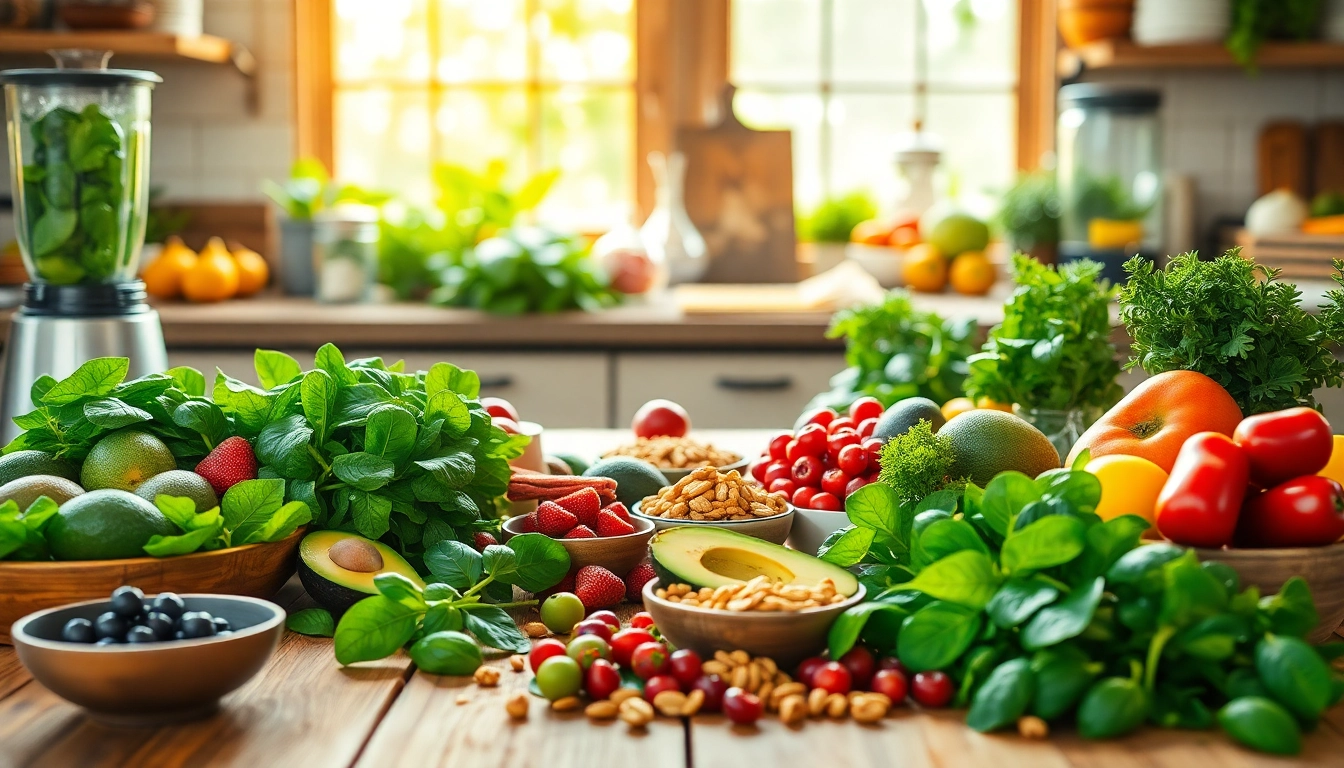

"Prepare delicious, nutritious dishes with fresh Healthy Food ingredients including fruits and vegetables."

“10 Essential Healthy Food Choices for a Vibrant Lifestyle in 2024”

Healthy food is not just a bit of a trend; it’s a way of life that greatly influences our overall well-being. As we increasingly prioritize nutrition in our diets, the search for healthy food options becomes ever more vital. In this comprehensive guide, we’ll explore what healthy food means, list top choices for your daily consumption, discuss practical tips for meal preparation, tackle common challenges in healthy eating, and how to track your success on this journey.

Understanding Healthy Food: What It Really Means

Defining Healthy Food

Healthy food can be defined as any food that contributes to overall health and well-being. This includes a variety of foods that are nutrient-dense, which means they provide substantial amounts of vitamins and minerals relative to their calorie content. Such foods are typically rich in essential nutrients, including vitamins, minerals, healthy fats, and antioxidants while being low in unhealthy additives, preservatives, and sugars.

Key Components of a Healthy Diet

A balanced diet incorporates several key components, primarily:

  • Fruits and Vegetables: Fresh produce provides essential vitamins, minerals, and fiber.
  • Whole Grains: Foods such as brown rice, quinoa, and whole-grain bread offer complex carbohydrates and fiber.
  • Proteins: Lean meats, fish, legumes, and nuts are vital for muscle and tissue repair.
  • Healthy Fats: Sources like avocados, olive oil, and nuts help with hormone production and are crucial for brain health.
  • Dairy or Alternatives: Low-fat or plant-based dairy can provide protein and calcium.

The Importance of Nutritional Balance

Nutritional balance is crucial to ensure that the body gets the right amounts and types of nutrients. A well-balanced diet not only supports physical health but also impacts mental well-being. Research indicates that a balanced intake of macronutrients—carbohydrates, proteins, and fats—and micronutrients—vitamins and minerals—is necessary to prevent chronic diseases and maintain optimal health.

Top 10 Healthy Food Choices for Daily Consumption

Fruits: Nature’s Sweet Treats

Fruits are nature’s candy, offering natural sweetness along with a host of health benefits. They are rich in fiber, vitamins, and antioxidants. Consuming a variety of fruits daily can help reduce the risk of chronic illnesses and promote digestive health. Some super fruits to consider include:

  • Blueberries: High in antioxidants and vitamins C and K.
  • Bananas: A great source of potassium and fiber.
  • Oranges: Rich in vitamin C, fiber, and hydrating properties.

Vegetables: The Power of Greens

Vegetables are incredibly nutrient-dense and should form a significant part of our diets. Leafy greens, root vegetables, and cruciferous vegetables provide essential vitamins and minerals while being low in calories. Notable vegetables for your healthy menu include:

  • Spinach: Loaded with iron and magnesium.
  • Broccoli: Contains sulforaphane, which has potential cancer-fighting properties.
  • Carrots: A great source of beta-carotene, which helps in eye health.

Whole Grains: Fueling Your Day

Whole grains are an excellent source of energy, dietary fiber, and various essential nutrients. They are less processed than their refined counterparts, ensuring that you benefit from all of the grain’s nutrients. Top choices for whole grains include:

  • Brown Rice: Provides more fiber and nutrients than white rice.
  • Quinoa: A complete protein source, containing all nine essential amino acids.
  • Oats: Packed with soluble fiber, which can lower cholesterol levels.

Healthy Food Prep: Tips for Easy Cooking

Meal Planning to Support Healthy Eating

Meal planning can streamline your grocery shopping and ensure you stick to your healthy eating objectives. By preparing meals weekly, you can save time, money, and reduce impulse buying of unhealthy foods. Here are some steps for effective meal planning:

  • Choose one day each week to plan and prep your meals.
  • Incorporate a variety of flavors, textures, and colors to keep your meals exciting.
  • Track seasonal ingredients for freshness and cost-effectiveness.

Batch Cooking for Efficiency

Batch cooking allows you to prepare larger quantities of food and store them for later use. This not only saves cooking time on busy weeknights but also helps in adhering to a meal plan. Key points for batch cooking include:

  • Choose recipes that freeze well, like soups and stews.
  • Use clear labels for your meals to keep track of what you have and when it was made.
  • Invest in good quality storage containers to maintain freshness.

Storing Healthy Foods for Longevity

Proper food storage is essential to maintain quality and freshness. Here are practical tips:

  • Store fruits and vegetables in the refrigerator to extend their shelf life.
  • Freeze excess meals or leftovers to avoid spoilage.
  • Keep pantry staples like grains and legumes in airtight containers to prevent pests and mold.

Overcoming Challenges in Healthy Eating

Cooking for One vs. Family Meals

Cooking healthy meals efficiently can be challenging, especially when considering portion sizes for one versus family-sized meals. Here are tips for both situations:

  • For one, prepare easy recipes that can be made quickly or frozen.
  • For families, use versatile recipes that can be adjusted, such as stir-fries or casseroles.

Finding Healthy Food Options on a Budget

Healthy eating doesn’t have to break the bank. Here are strategies to maintain a nutritious diet without overspending:

  • Buy in bulk whenever possible to save on staples like grains, nuts, and beans.
  • Shop local farmers’ markets for seasonal produce at lower prices.
  • Utilize coupons and sales for healthy food items.

Dealing with Cravings: Healthy Alternatives

It’s natural to have cravings, but managing them healthily is key. Consider these alternatives:

  • When craving sweets, opt for fresh fruit or yogurt with honey.
  • For a salty snack, try air-popped popcorn or nuts instead of chips.
  • Substitute sugary drinks with herbal teas or infused water.

Measuring Success: Tracking Your Healthy Food Journey

Utilizing Apps and Tools

Technology can be a helpful ally in tracking your healthy eating habits. Many apps allow you to log your meals, track nutritional intake, and set goals. Popular options include:

  • MyFitnessPal: Great for tracking calories and gaining insights into macronutrients.
  • Lose It! Focuses on weight loss through food tracking.
  • Fooducate: Educates you about the foods you’re consuming.

Creating Personal Nutrition Metrics

Creating personalized nutrition metrics can help to identify what works best for you. Metrics to consider might include tracking energy levels, digestion, skin health, and weight. This holistic approach to monitoring your well-being offers insights beyond the scale.

Celebrating Milestones in Healthy Eating

Celebrating successes, whether big or small, can help maintain motivation on your healthy eating journey. Setting tangible goals, and rewarding yourself in healthy ways is essential. Good practices include:

  • Setting benchmarks, like preparing certain meals or sticking to a meal plan for an entire month.
  • Celebrating with non-food-related rewards, such as a new workout outfit or a spa day.
  • Sharing successes with friends or family for support and encouragement.

In conclusion, establishing a consistent approach to healthy food is a journey filled with personal growth and discovery. By understanding the principles of healthy eating, implementing practical strategies, and tracking your progress, you create a sustainable lifestyle that nourishes both body and mind.

Stylish woman in vibrant Women Fashion outfit walks confidently in an urban setting.

Ultimate Women Fashion Trends for 2024: Elevate Your Style Game

Understanding Women Fashion: The Basics

Women’s fashion is a vibrant and transformative domain that reflects personal expression, cultural shifts, and societal changes. As we dive into the realm of Women Fashion, it’s essential to grasp the foundational elements that shape this industry. Understanding the evolution of styles and key fashion terminologies plays a crucial role in navigating current trends and building a personalized wardrobe.

The Evolution of Women Fashion Styles

The history of women’s fashion is a fascinating journey that spans centuries, showcasing the rapid changes in fabrics, silhouettes, and aesthetics influenced by social movements, historical events, and technological advancements. From the corsets and voluminous skirts of the Victorian era to the liberation represented by flapper dresses in the 1920s, each decade has left an indelible mark on the fashion landscape.

The post-war economic boom in the 1950s emphasized femininity with fitted dresses and playful prints. The 60s and 70s threw traditional styles into disarray, embracing bold patterns, unstructured designs, and the revolutionary idea of unisex clothing. The advent of fast fashion in the late 20th century has made style more accessible, thus encouraging a culture of experimentation and continual change.

Key Fashion Terminology Every Woman Should Know

Understanding the language of fashion is critical for any woman wanting to cultivate her style effectively. Here are some key terms to familiarize yourself with:

  • Silhouette: This term refers to the outline or shape of a garment, affecting how it lays on the body.
  • Fast Fashion: Clothing that is produced quickly in response to the latest trends, often at lower prices.
  • Capsule Wardrobe: A small collection of versatile clothing pieces that can be mixed and matched.
  • Statement Piece: A clothing item or accessory designed to stand out and make an impact.
  • Haute Couture: Custom-fitted clothing of the highest quality; often featured in exclusive fashion shows.

Current Trends in Women Fashion: An Overview

Today’s women’s fashion is diverse, influenced by various factors such as sustainability, digital communication, and cultural shifts. Recent trends include:

  • Eco-Friendly Fabrics: The rise of sustainable fashion has made eco-friendly materials a core element of modern women’s clothing lines.
  • Athleisure: Blurring the line between activewear and casual clothes, athleisure remains a daily staple for many women.
  • Bold Patterns and Prints: Floral and geometric patterns are making a statement against minimalist aesthetics.
  • Oversized Fit: Comfort-driven silhouettes are trending, with oversized blazers and shirts offering a relaxed yet chic look.

Building Your Wardrobe for Women Fashion

Creating a personal wardrobe that resonates with your style is an art form. It requires careful consideration of your lifestyle, body shape, and individual preferences.

Essentials for Every Woman Fashionista

While trends come and go, certain wardrobe staples remain timeless. Here are essential pieces every woman should consider having:

  • The Classic White Shirt: Versatile and effortlessly chic, it can be dressed up for the office or dressed down for a casual day out.
  • Tailored Blazer: A tailored blazer can elevate any outfit, making it suitable for both professional and social occasions.
  • Little Black Dress (LBD): A must-have for any woman’s wardrobe, it can be accessorized to match numerous styles and occasions.
  • Quality Denim: A well-fitted pair of jeans is essential; consider different cuts and washes that complement your physique.
  • Comfortable Footwear: Invest in a few pairs of versatile shoes, including heels, flats, and sneakers, to match various outfits.

Choosing the Right Colors: What Works Best?

Color has a significant impact on style and personal expression. When building a wardrobe, consider the colors that resonate with your skin tone, personality, and lifestyle. Here are a few tips:

  • Identify Your Undertone: Women with warm undertones may favor earth tones, while cool undertones often look great in jewel tones.
  • Opt for Neutrals: A base of neutral colors can provide a versatile foundation for any wardrobe, allowing for easy mixing and matching.
  • Don’t Shy Away from Colors: Embrace bold colors to make statements; bright hues can significantly alter your mood and presence.

How to Incorporate Accessories into Women Fashion

Accessories are vital in enhancing an outfit and showcasing individuality. Here’s how to effectively integrate them:

  • Layering Necklaces: Mix different lengths and styles to create a chic layered effect.
  • Statement Bags: A pop of color or unique design in your handbag can elevate a simple outfit.
  • Scarves and Shawls: Use them as headbands, necklaces, or simply as a traditional wrap to add texture and warmth to an ensemble.
  • Belts: A well-placed belt can define the waist and change the silhouette of a dress or tunic.

Seasonal Women Fashion Trends

Every season brings fresh opportunities to refresh your wardrobe. Whether you’re transitioning from summer to fall or spring to winter, adapting to seasonal trends is key to maintaining style and comfort.

Spring and Summer Must-Haves for Women Fashion

As the temperatures rise, so does the enthusiasm for lightweight fabrics and bright colors. Key pieces for spring and summer include:

  • Floral Dresses: Perfect for picnics and brunch outings, floral patterns invoke a sense of femininity and fun.
  • Lightweight Cardigans: Ideal for layering during cooler evenings or unpredictable weather.
  • Sandals and Espadrilles: Comfortable and stylish footwear that complements a multitude of summer outfits.
  • Wide-Brimmed Hats: Essential for sun protection while adding character to any ensemble.

Fall and Winter Essentials in Women Fashion

As the leaves change color and the cold sets in, consider incorporating the following essentials into your winter wardrobe:

  • Knitted Sweaters: Cozy and warm, oversized knits pair perfectly with both jeans and skirts for a chic look.
  • Trench Coats: A classic piece that adds a layer of sophistication and warmth.
  • Boots: From ankle to knee-high, boots are versatile and essential for colder months.
  • Layered Textures: Mixing wool, cotton, and leather can create visually interesting outfits that are warm and stylish.

How to Transition Your Wardrobe Through the Seasons

Transitioning your wardrobe effectively involves a strategic approach:

  • Assess and Purge: Evaluate items from the previous season. Donate or sell what you no longer wear.
  • Invest in Layering Pieces: These can help adapt outfits for changing temperatures as seasons shift.
  • Mix and Match: Combine seasonal items with staple pieces to create versatile outfits.
  • Plan Ahead: Keep an eye on upcoming trends and collections to ensure your wardrobe stays fresh and timely.

Women Fashion on a Budget

Looking good doesn’t have to come at a high price. With the right strategies, any woman can maintain a fabulous wardrobe without overspending.

Smart Shopping: Finding Deals on Women Fashion

Here are several tips to help you score great deals on women’s fashion:

  • Sign Up for Newsletters: Many brands offer discounts to newsletter subscribers, giving you the chance to snag deals before the general public.
  • Utilize Shopping Apps: Compare prices and find seasonal sales through apps designed to provide fashion deals.
  • Follow Brands on Social Media: Often, exclusive deals and flash sales are announced through social platforms.
  • Shop Off-Season: Purchasing summer clothes in winter and vice versa can significantly lower costs.

How to Style on a Budget: Chic Looks for Less

Here are some strategies to create stylish outfits without breaking the bank:

  • Mix High and Low: Combine high-quality investment pieces with more affordable items to achieve a balanced look.
  • Focus on Fit: Tailoring pieces to fit properly can transform any outfit, regardless of price.
  • Accessorize Wisely: Use accessories to enhance simple outfits; a well-chosen belt or statement necklace can elevate a basic look.
  • Thrift and Vintage Shops: Unique finds can often be discovered at thrift stores, allowing for one-of-a-kind outfits.

Thrift Shopping Tips for Modern Women Fashion

Thrifting may seem daunting but can yield fantastic fashion treasures if approached correctly:

  • Visit Frequently: Inventory changes regularly, so frequent visits increase your chances of finding great items.
  • Inspect Carefully: Check for wear and tear, as well as to ensure that items may be altered if necessary.
  • Know Your Sizes: Sizes may vary from brand to brand; try on items before buying to ensure they fit perfectly.
  • Be Open-Minded: Look for potential in items that may not immediately stand out. Sometimes a little creativity can go a long way.

Future of Women Fashion: What’s Next?

As we look ahead, several key developments are poised to shape the future of women’s fashion. Designers and consumers alike are becoming more aware of the impact that fashion has on the environment, culture, and society.

Sustainable Practices in Women Fashion

Sustainability is no longer a trend but a necessity in the fashion industry. Brands today are increasingly adopting eco-friendly practices:

  • Ethical Sourcing: More companies are committed to sourcing materials responsibly, ensuring fair wages and safe working conditions for laborers.
  • Recycled Fabrics: Designers are innovating with recycled and upcycled materials to create stylish garments that reduce waste.
  • Transparency: Modern consumers demand transparency in production processes, prompting brands to disclose sourcing and manufacturing details.

The Impact of Technology on Women Fashion

Technology is transforming how we shop for and think about fashion. Emerging technologies include:

  • Virtual Fitting Rooms: Technologies that allow customers to try on clothes virtually are becoming more popular, enhancing the online shopping experience.
  • AI-Driven Recommendations: Personalization in shopping through AI suggests items based on previous purchases and browsing history.
  • 3D Printing: This technology offers the potential for customized clothing and accessories, disrupting traditional manufacturing processes.

Predictions for Women Fashion Trends Beyond 2024

As we gaze into the fashion crystal ball, several predictions emerge:

  • Inclusivity: Expect to see a broader representation in fashion, with brands promoting diverse body types and gender identities.
  • Minimalism: A shift towards minimalist designs with multifunctional clothing that promotes sustainability.
  • Homegrown Brands: Local businesses are gaining traction as consumers look to support community-based fashion initiatives.
  • More Comfort-Driven Styles: The trend for comfort, durability, and hybrid pieces that transition easily from work to leisure will likely continue to rise.
Innovative sports betting interface showcasing new technology with glowing holographic effects.

New Technology in Sports Betting: 5 Essential Innovations for 2025

Understanding New Technology in Sports Betting

What is New Technology?

In the rapidly evolving landscape of the sports betting industry, the term new technology encompasses a range of innovative tools and platforms that enhance how bets are placed, processed, and analyzed. These technologies stem from advancements in artificial intelligence, data analytics, blockchain, and real-time data processing. These innovations not only streamline operations but also offer customers a more engaging and personalized experience, thus reshaping the entire betting ecosystem. By investing in new technology, operators can differentiate themselves in a competitive market, providing bettors with superior services and capabilities.

The Evolution of Betting Platforms

Betting platforms have undergone significant transformations over the last two decades. Initially dominated by static websites with limited interactivity, the market has transitioned to mobile-first applications with intuitive user interfaces. These advancements have been fueled primarily by the need for real-time engagement, particularly as consumers demand faster access to information and the ability to place bets instantly, especially during live events.

The integration of mobile technologies has revolutionized the betting experience. Bettors can now place wagers from anywhere, at any time, significantly increasing the convenience and accessibility of sports betting. Furthermore, the advent of in-play betting allows users to make decisions based on live game data, adjusting their strategies as the action unfolds.

Impact of New Technology on User Experience

The user experience in sports betting has been dramatically enhanced through technologies such as machine learning and data analytics. These tools allow betting platforms to create detailed customer profiles, offering personalized recommendations and customized betting options. For example, algorithms can analyze a bettor’s behavior and suggest betting lines that align with their preferences, making the experience more user-centric.

Moreover, enhanced graphical interfaces and user-friendly designs provide bettors with a seamless journey from account creation to placing bets. The increased automation in administrative tasks ensures quicker payouts and better customer support, significantly improving overall satisfaction.

Top Innovations Reshaping Sports Betting

Live Betting and Real-Time Data

Live betting, also known as in-game betting, has emerged as one of the most exciting developments in sports betting. This feature allows individuals to place bets on games as they happen, using real-time data provided by advanced analytics platforms. The thrill of wagering during a live match enhances engagement, as bettors can adjust their strategies based on the current state of play.

To facilitate this, sports betting platforms are now equipped with sophisticated data processing systems that gather and analyze real-time statistics, enabling bettors to access up-to-date information quickly. This transparency fosters a more interactive betting environment where decisions can be made dynamically.

Virtual Reality Betting Experiences

Virtual reality (VR) is another groundbreaking technology that promises to change how bettors engage with their betting platforms. By immersing users in a virtual casino or sports environment, VR offers a more engaging experience compared to traditional interfaces. Imagine a bettor placing wagers while virtually sitting in a stadium, surrounded by fellow fans and experiencing the game firsthand.

The implications for social interaction and community building are immense, as bettors can share experiences and strategies in real time within these immersive environments. While still in its infancy, VR technology in sports betting is expected to grow, fueled by advancements in VR hardware and software.

Blockchain Technology for Transparency

Blockchain technology is making waves in various sectors, and sports betting is no exception. By utilizing distributed ledger technology, betting platforms can enhance transparency and trust. Each transaction recorded on the blockchain is immutable and time-stamped, preventing unauthorized changes and ensuring that all bets are processed fairly.

Furthermore, blockchain can facilitate faster payouts and improved security for digital transactions, addressing two major concerns for bettors. Cryptocurrency acceptance also opens up new avenues for funding betting accounts, making transactions seamless across international borders.

Challenges of Implementing New Technology

Regulatory Hurdles in Gambling Technology

The introduction of new technologies in sports betting often encounters various regulatory challenges. Each jurisdiction has different laws governing gambling, and ensuring compliance can be daunting. As new technologies emerge, regulatory bodies struggle to keep pace, leading to potential legal ambiguities for operators.

To navigate these challenges, sports betting companies must engage in continuous dialogue with regulators and adhere to best practices in compliance. This proactive approach not only mitigates risk but also builds trust within the consumer market.

Security Concerns with Digital Transactions

With the rise of online betting comes increased concerns regarding the security of digital transactions. Cybersecurity threats such as hacking and data breaches can severely undermine customer trust and a company’s reputation. Sports betting operators must invest in state-of-the-art security measures, such as encryption and multi-factor authentication, to protect sensitive user information.

Regular security audits and employee training on cybersecurity protocols are essential for maintaining a secure betting environment. Engaging with third-party security firms for expert advice can also help mitigate risks associated with online betting platforms.

User Adaptation to New Platforms

Despite the benefits of adopting new technology, user adaptation remains a significant challenge. Some bettors, especially those accustomed to traditional betting methods, may resist moving to digital platforms. Education and user training are vital to help ease this transition.

To facilitate adaptation, operators can provide tutorials, user-friendly interfaces, and customer support tailored to varying levels of tech-savviness. Engaging loyal customers through incentives to try new features can also promote acceptance and usage.

Best Practices for Adopting New Technology

Evaluating Technology Providers

Choosing the right technology providers is crucial for sports betting companies aiming to adopt new technologies effectively. Operators should assess potential partners based on their track record, innovation capabilities, and customer support services. A rigorous vetting process can safeguard betting companies against issues such as unreliable systems or poor customer engagement.

Additionally, fostering partnerships with technology firms that align with the operator’s vision can lead to mutually beneficial innovations, establishing a competitive edge in the sports betting landscape.

Testing New Features with Target Audiences

Before launching new technology features, conducting thorough testing with target audiences is paramount. This approach allows operators to gather feedback on usability and effectiveness. A/B testing can be an effective method to see how different user segments interact with new features, ultimately leading to better decision-making.

Engaging specific groups of bettors to evaluate beta versions of new offerings can also create a sense of ownership and community among users, who can feel more invested in the product development process.

Continuous Innovation and Feedback Loops

Continuous innovation is essential in the fast-paced world of sports betting. Companies should establish feedback loops that encourage user input on technology and features. This ongoing dialogue can drive iterative improvements and ensure that offerings remain relevant based on user demands.

Alongside customer feedback, staying informed on industry trends is important. Regularly reviewing competitor strategies and emerging technologies ensures that operators can pivot and adapt, maintaining competitiveness in an ever-evolving market.

Future Trends: What’s Next for Sports Betting?

Artificial Intelligence in Betting Predictions

Artificial intelligence (AI) is set to transform the landscape of betting predictions significantly. By analyzing vast data sets, AI can identify patterns that would be nearly impossible for humans to detect. This capability can lead to more accurate odds and predictions, benefiting both operators and bettors.

Implementing machine learning algorithms will allow platforms to continuously improve their prediction capabilities, adapting to new data and learning from user behaviors. As AI technology matures, its role in creating more reliable predictions will become a cornerstone of sports betting strategies.

Increased Personalization through Data Analytics

Data analytics will play a crucial role in increasing personalization in sports betting. With more accessible data on user preferences and interactions, platforms can tailor experiences to individual bettors. From customized betting recommendations to personalized promotions, leveraging data analytics can significantly enhance user satisfaction and engagement.

Personalization can also extend to the types of games offered, with platforms able to suggest matches based on past betting behavior, making the experience more engaging and relevant to each user.

The Rise of Augmented Reality Experiences

As technology advances, augmented reality (AR) is expected to play an increasingly important role in sports betting. AR can create immersive experiences where bettors can visualize game outcomes, stats, and player performances in real time.

By using AR applications, bettors can overlay data about teams and players onto their real-world view, leading to more informed betting decisions. This technology not only enhances the excitement around sports betting but also integrates seamlessly with mobile applications, offering a next-level experience.

Explore the seamless thabet đăng nhập interface that connects players to their favorite online casino games.

Ultimate Guide to thabet đăng nhập: Enjoy Secure Gaming in 2023

What is thabet đăng nhập and How Does It Work?

Understanding thabet đăng nhập Basics

The term thabet đăng nhập refers to the process of logging into the Thabet platform, a popular online casino and betting site. Thabet provides a wide range of gaming options, from sports betting to various casino games. Understanding how the login system works is crucial for both new and returning users to access their accounts securely and without issues. This process typically involves entering a username and password but can also include additional security measures to protect user accounts.

As online gambling becomes increasingly popular, knowing how to navigate platforms like Thabet is essential. The ability to log in easily and securely can significantly enhance one’s gaming experience. For those seeking more information on how to access their accounts, refer to the steps outlined in the following sections or visit thabet đăng nhập.

Importance of Secure Login in Online Casinos

Security is paramount when it comes to online gambling. An unsecured login process can expose personal and financial information to risks such as hacking, phishing, and other types of cybercrime. With many players engaging in online casinos, platforms like Thabet implement rigorous security protocols to safeguard user credentials. This is particularly important considering the sensitive nature of the information involved in online gambling transactions. Users must feel confident that their data is safe whenever they log in.

Common Login Issues and How to Resolve Them

While logging into Thabet is designed to be straightforward, users may sometimes encounter issues. Common login problems include forgotten passwords, account lockouts, or difficulty with two-factor authentication. Here are some solutions:

  • Forgotten Password: Use the password recovery option available on the Thabet login page to reset your password via email.
  • Account Lockout: If you have entered the wrong password too many times, your account may be temporarily locked. Wait for a specified period before trying again or contact customer support for assistance.
  • Two-Factor Authentication Issues: Ensure you’ve registered a valid phone number or email address for 2FA. If you’re not receiving codes, check your internet connection or contact support.

Step-by-Step Process for thabet đăng nhập

Creating Your thabet Account: A Quick Overview

To enjoy the various offerings of Thabet, users first need to create an account. This process is relatively straightforward:

  1. Visit the Thabet home page and locate the “Sign Up” or “Register” button.
  2. Fill out the registration form with your personal details, including name, email address, and contact information.
  3. Choose a secure username and password that complies with Thabet’s security guidelines.
  4. Accept the terms and conditions and submit your registration.
  5. Check your email or SMS for a verification link or code to activate your account.

Logging into Your Account: The Essentials

Once your account is created, logging in is the next step. Here’s how to do it:

  1. Go to the Thabet homepage.
  2. Click on the “Login” button strategically placed at the top right corner.
  3. Enter your username and password.
  4. If prompted, complete any necessary two-factor authentication for enhanced security.
  5. Press “Enter” to access your account dashboard.

Tips for Secure Access during thabet đăng nhập

When logging into your Thabet account, consider the following tips for maintaining security:

  • Use strong, unique passwords that are difficult to guess.
  • Enable two-factor authentication to add an extra layer of security.
  • Avoid logging in from public Wi-Fi networks or shared computers.
  • Regularly update your password to mitigate security risks.

Enhancing Your Experience After thabet đăng nhập

Available Games and Betting Options

After successfully logging in, users gain access to a plethora of gaming options. Thabet offers a comprehensive range of games including:

  • Sports Betting: Place bets on local and international sports events, including football, basketball, and more.
  • Casino Games: Enjoy classics like blackjack, roulette, and various slot machines.
  • Live Casino: Engage with real dealers in real-time for an immersive casino experience.
  • Lottery and Bingo: Participate in fun, chance-based games for the thrill of winning.

Promotion Offers and Bonuses for New Users

To enhance users’ gaming experiences, Thabet frequently offers enticing promotional bonuses for new account holders. These may include:

  • Welcome Bonuses: A one-time bonus percentage on the first deposit to encourage users to start playing.
  • No Deposit Bonuses: Free credits offered to new users simply for signing up.
  • Referral Bonuses: Additional rewards for referring friends to the platform.

The Benefits of Mobile thabet đăng nhập

Thabet understands the importance of accessibility, which is why they offer a mobile-friendly platform. Users can access their accounts on-the-go using their smartphones or tablets. The benefits include:

  • Convenience: Play or bet whenever you want without the need for a computer.
  • Real-time Notifications: Receive updates and alerts about promotions, game results, or account activity directly on your mobile device.
  • Responsive Design: Enjoy a seamless user experience across various devices with a layout optimized for mobile.

Security Measures for Your thabet Account

Understanding Two-Factor Authentication

Two-factor authentication (2FA) provides an additional layer of security by requiring not only a password but also a second form of verification, typically a code sent to your phone or email. This means that even if someone gains access to your password, they cannot log in without the 2FA code. Thabet encourages users to enable this feature during the registration process for enhanced security.

Best Practices for Creating a Secure Password

Creating a secure password is your first line of defense when it comes to protecting your Thabet account. Here are some guidelines:

  • Use a combination of upper and lowercase letters, numbers, and special characters.
  • Avoid using easily obtainable information such as birthdates or names.
  • Make the password at least 12 characters long.
  • Avoid using the same password across multiple platforms.

Recognizing Phishing Attempts During Login

Phishing attacks are a common threat in the online gambling industry. Recognizing phishing attempts is essential for keeping your Thabet account safe. Be aware of:

  • Emails or messages that ask for your login information or personal details.
  • Any communication that includes links to unverified websites claiming to represent Thabet.
  • Suspicious emails that contain misspellings or incorrect grammar.

Conclusion: Maximize Your Fun with Safe thabet đăng nhập

Recap of Key Points for Safe Gaming

In conclusion, understanding the ins and outs of thabet đăng nhập is essential for ensuring that your online gaming experience is both enjoyable and secure. By creating a robust password, utilizing two-factor authentication, and remaining vigilant against phishing attempts, you can protect your account while enjoying everything Thabet has to offer.

Encouragement for Responsible Betting

While the thrill of online gambling can be exhilarating, it’s vital to engage in responsible gaming practices. Set limits on your betting activities, take breaks regularly, and never gamble more than you can afford to lose. Responsible gambling ensures that the experience remains enjoyable for everyone.

Final Thoughts on Joining thabet Community

Whether you’re an experienced gambler or a newcomer, joining the Thabet community opens up a world of entertainment and opportunities. With secure login practices and a wide variety of games, you’re set for an exciting journey in online gambling. Take the time to familiarize yourself with the platform and the best practices previously discussed, and most importantly, have fun.

Attendees engaging in an HIV PrEP discussion at https://talkprep.org/, promoting health awareness and community support.

The Ultimate Guide to Getting Started with HIV PrEP at https://talkprep.org/

Understanding HIV and the Importance of PrEP

What is HIV and Its Impact on Health?

HIV, or Human Immunodeficiency Virus, is a virus that attacks the body’s immune system, specifically the CD4 cells (T cells), which play a crucial role in defending against infections. If left untreated, HIV can lead to the disease AIDS (Acquired Immunodeficiency Syndrome), compromising the immune system to the extent that the body becomes vulnerable to opportunistic infections and certain cancers.

The impact of HIV on health is profound. According to the CDC, in 2020, nearly 34,800 people in the United States were diagnosed with HIV. The virus spreads through blood, sexual contact, and from mother to child during childbirth or breastfeeding. The consequences of an HIV diagnosis can be life-altering, requiring ongoing medical treatment, lifestyle adjustments, and emotional support.

An Overview of PrEP and How It Works

Pre-Exposure Prophylaxis, commonly known as PrEP, is a preventive strategy for individuals at high risk of contracting HIV. PrEP involves the daily consumption of antiretroviral medication that significantly reduces the risk of HIV infection when taken as prescribed. Studies have shown that PrEP can reduce the risk of getting HIV from sex by about 99% and from injection drug use by at least 74% when taken consistently.

PrEP works by providing a means of prevention rather than treatment. When the medication is taken regularly, it establishes a presence in the bloodstream that protects against the virus if exposed, effectively blocking it from establishing an infection. This innovative approach to HIV prevention empowers individuals to take charge of their sexual health and actively reduce their risk of HIV transmission.

Why PrEP Matters for HIV Prevention

PrEP is a critical component in the fight against the HIV epidemic. With new infections still occurring, particularly among high-risk populations, PrEP represents a beacon of hope. It not only safeguards individual health but also contributes to the overall reduction of HIV transmission rates within communities.

Additionally, PrEP allows for increased conversation around sexual health and reduces the stigma associated with both HIV and its prevention. The more individuals who are knowledgeable about PrEP, the more they can advocate for their health and the health of those around them. It serves as a reminder that HIV prevention is achievable, and knowledge is a powerful tool against the virus.

Getting Started with PrEP: Essential Steps

Assessing Your Risk: Is PrEP Right for You?

The first step in considering PrEP is assessing your personal risk factors for HIV. High-risk behaviors may include having multiple sexual partners, inconsistent condom use, being in a relationship with someone who is HIV positive, or sharing needles. It’s crucial to engage in an open and honest self-assessment regarding these factors and any previous HIV exposure.

There are specific guidelines to determine if you might benefit from PrEP. If any of the following apply, PrEP may be appropriate for you:

  • You are in a sexual relationship with an HIV-positive partner.
  • You have had a recent sexually transmitted infection (STI).
  • You have multiple partners or do not consistently use condoms.
  • You inject drugs and share needles.

How to Talk to Your Healthcare Provider About PrEP

Communicating with your healthcare provider is essential for determining whether PrEP is right for you. Be prepared to discuss your sexual health history, potential risk factors, and concerns regarding HIV. A supportive provider will be able to guide you through the process, conduct necessary tests, and address any potential side effects of the medication.

It’s advisable to approach the conversation with straightforward questions, such as:

  • What is PrEP, and how does it work?
  • What does the process of getting on PrEP involve?
  • Are there any potential side effects?
  • How often will I need to come in for follow-up appointments?

Initial Testing and Consultation Procedures

Once you and your healthcare provider decide that PrEP is an appropriate course of action, initial testing is necessary. The screening process typically includes a:

  • HIV test to ensure you are HIV negative.
  • Kidney function test to evaluate your kidney health.
  • Sexually transmitted infections (STI) screening.
  • Assessment of your overall health history and risk behaviors.

After testing, if you are eligible, your provider will prescribe the medication. Remember, routine follow-up appointments every three months are essential to monitor your health and adherence.

PrEP Medication: What to Expect

Different Types of PrEP Medications Available

Currently, there are two main medications approved for PrEP: Truvada and Descovy. Both are highly effective when taken consistently. Truvada contains tenofovir disoproxil fumarate and emtricitabine, while Descovy contains tenofovir alafenamide and emtricitabine, representing an evolution in treatment options that may reduce kidney-related side effects.

When starting PrEP, your healthcare provider will help determine which medication is better suited based on your health profile and any potential kidney issues. It’s important to adhere to the prescribed regimen for maximum efficacy.

Understanding Benefits and Potential Side Effects

The primary benefit of PrEP is its effectiveness in greatly reducing the risk of acquiring HIV. When taken consistently, users have a significant decrease in chance compared to those who do not take it. Other benefits include:

  • Increased peace of mind regarding sexual health.
  • Protection for partners, creating a ripple effect within communities.
  • Encouragement to maintain regular health check-ups and STI screenings.

However, as with any medication, there are potential side effects. Some individuals may experience:

  • Nausea
  • Headaches
  • Fatigue
  • Diarrhea

Most side effects tend to subside after the initial weeks of taking PrEP, but should you experience any severe or persistent symptoms, it is crucial to contact your healthcare provider.

Maintaining Adherence for Maximum Effectiveness

For PrEP to be effective, adhering to the daily medication regimen is critical. Strategies to improve adherence include:

  • Setting reminders on your phone.
  • Creating a routine by linking medication intake to daily activities (e.g., brushing your teeth).
  • Utilizing pill organizers to track your doses.
  • Involve a friend or partner to support you in maintaining your regimen.

Staying in close contact with your healthcare provider and attending regular follow-up appointments will also help ensure that you maintain the necessary consistency in taking PrEP.

Managing Your Health While on PrEP

Regular Health Monitoring and Follow-Ups

Regular health monitoring is an integral part of the PrEP regimen. Following the initiation of PrEP, healthcare providers typically suggest routine visits every three months. During these visits, providers will conduct:

  • HIV testing to confirm continued HIV-negative status.
  • Kidney function assessments.
  • STI screenings.
  • Evaluations of adherence and any side effects experienced.

These follow-ups are necessary not only to ensure the continued effectiveness of the medication but also to ascertain overall health and prevent any possible complications.

Complementing PrEP with Other Prevention Strategies

While PrEP is highly effective, it is not a standalone prevention method. It is crucial to adopt a comprehensive approach to sexual health, which includes:

  • Consistent condom usage to protect against STIs.
  • Regular testing and communication with sexual partners.
  • Education about other forms of HIV prevention, such as treatment as prevention (TasP).

Incorporating these strategies can enhance overall protection and encourages a culture of responsibility and open discussions about sexual health.

Resources for Support and Education at https://talkprep.org/

For individuals starting their journey with PrEP or looking for more information, there are numerous resources available to help. These resources can include:

  • Local health clinics that provide PrEP services.
  • Online platforms for education regarding HIV prevention.
  • Support groups for individuals taking PrEP.
  • Social media communities to share experiences and questions.

By engaging with these resources, individuals can gain knowledge, support, and a sense of community throughout their PrEP journey.

Community Engagement and Advocacy for PrEP Awareness

Joining or Creating Support Networks

Community support networks play an essential role in the HIV prevention landscape. Individuals taking PrEP can benefit from connecting with others who share similar experiences. Support networks can:

  • Provide emotional support and encouragement.
  • Facilitate discussions around sexual health and HIV prevention.
  • Encourage adherence through accountability and communal knowledge sharing.

Taking the initiative to join or create local PrEP support groups can foster a collaborative environment where individuals can discuss their journeys and strategies for adherence and safety.

Sharing Your PrEP Journey: Why It Matters

Sharing personal experiences with PrEP can serve as powerful advocacy, inspiring others to consider preventive measures for their health. By articulating the benefits of PrEP and the importance of adherence, individuals contribute to a broader narrative around HIV prevention.

Storytelling can reduce stigma, educate the public, and motivate those at risk to seek knowledge and assistance, thereby promoting healthier communities.

Advocating for Better Access to PrEP and Resources

As the importance of PrEP becomes more widely recognized, advocacy for enhanced access to these resources is vital. This may involve:

  • Contacting local representatives to push for policies that expand PrEP access.
  • Raising awareness about available funding and programs that subsidize medication costs.
  • Participating in community health events focused on HIV education and PrEP resources.

Effective advocacy can result in greater access and options for individuals seeking to protect themselves from HIV, ultimately leading to healthier communities and reduced transmission rates.

Experience the thrill of online betting at https://ii69vn.com/, featuring vibrant graphics of high-stakes gaming.

Discover https://ii69vn.com/: The Ultimate Sports Betting Guide for 2023

Understanding Sports Betting: A Beginner’s Guide

Sports betting has gained tremendous popularity in recent years, attracting millions of enthusiasts eager to try their luck and skill against the odds. Whether you’re a seasoned gambler or a newcomer exploring this exciting realm, platforms like https://ii69vn.com/ offer myriad opportunities to place bets on various sporting events. This article will serve as your comprehensive guide to sports betting, encompassing everything from the basic definitions to advanced strategies that can help you maximize your wins.

What is Sports Betting?

At its core, sports betting involves predicting the outcome of a particular sporting event and wagering money on that outcome. Bettors can place bets on numerous sports disciplines, from football and basketball to less mainstream sports like darts or esports. The goal is simple: if your prediction is correct, you win money based on the odds established by bookmakers. Understanding the fundamentals of these odds and how they function is crucial to becoming a successful bettor.

How to Get Started with Sports Betting at https://ii69vn.com/

Getting started with online sports betting is relatively straightforward. Follow this step-by-step guide to begin your betting journey:

  1. Choose a Reliable Platform: Look for a reputable sports betting site, like https://ii69vn.com/, known for offering a user-friendly interface, secure transactions, and a wide array of sports options.
  2. Create an Account: Register for an account by providing some personal details. Ensure your password is strong and unique to protect your account.
  3. Deposit Funds: Add money to your account using a suitable payment method, such as credit cards, e-wallets, or cryptocurrencies, depending on the options provided by the sportsbook.
  4. Explore Betting Markets: Familiarize yourself with the various betting options available—point spreads, moneylines, over/under, among others.
  5. Place Your First Bet: Start with a small wager on an event you feel confident about, keeping in mind the importance of management techniques discussed later.

Key Terms Every Bettor Should Know

Before diving into the betting world, it’s crucial to understand some key terminology:

  • Odds: These represent the likelihood of an event occurring and determine how much you can win on your bet. Odds can be presented in decimal, fractional, or American formats.
  • Spread: A point spread is a margin set by bookmakers to even the playing field between two teams. Bettors wager on whether a team will win by more or less than the spread.
  • Bankroll: This term refers to the total amount of money you have set aside for betting purposes. Proper bankroll management is vital for long-term success.
  • Parlay: A type of bet that combines multiple selections into a single wager, leading to higher potential payouts—but all selections must win for the bet to be successful.
  • Live Betting: This allows bettors to place bets on a game as it unfolds, often changing odds dynamically based on the action occurring in real-time.

The Different Types of Sports Bets You Can Make

Understanding Point Spreads and Moneylines

Understanding different types of bets is crucial for effectively navigating sports betting. Two primary types include point spreads and moneylines.

Point spreads level the playing field, especially in mismatched contests, by setting a margin that the team must win by. For instance, if Team A is favored to win by 3 points, they must win by more than that margin for a bet on them to pay out.

Moneyline bets, on the other hand, are straightforward. You simply pick the outright winner of a game. Odds indicate the payout relative to your stake. A negative moneyline indicates the favorite, while a positive moneyline indicates the underdog. For example, if the odds are -150 for Team A, you need to wager $150 to win $100. Conversely, if Team B’s odds are +130, you win $130 for a $100 wager.

Exploring Over/Under Bets

The over/under bet allows you to wager on the total number of points scored in the game, rather than on the specific outcome. The bookmaker sets a line, and you bet on whether the actual score will be over or under that number. For example, if a game has an over/under line of 45.5 points, you can bet on whether the total combined score will exceed 45 or fall below 46.

This type of betting requires a good understanding of team offensive and defensive capabilities, as well as game conditions

Advanced Betting Options: Parlay and Teaser Bets

For those looking to maximize potential payouts, advanced betting options like parlays and teasers can add excitement. A parlay combines multiple bets into one, with the catch that all selections must win for the bet to pay out. This can significantly increase the reward for a successful chance, but also raises the level of risk.

Teaser bets are similar to parlays but allow you to adjust point spreads in your favor. This effectively reduces potential payouts, but increases the chance of winning, which appeals to many bettors looking for safer avenues.

Strategies to Maximize Your Wins at https://ii69vn.com/

Analyzing Teams and Players for Informed Betting

Successful sports betting hinges on thorough research. Analyze previous performances, head-to-head records, injuries, and other factors influencing a game. Statistics can reveal trends that may not be obvious at first glance. Utilize resources that provide in-depth analytics and previews to make well-informed betting decisions.

For instance, if you’re considering betting on a basketball game, examine the offensive and defensive strengths of both teams, their recent form, and player matchups. Identifying discrepancies between the odds offered by bookmakers and your analysis can highlight valuable betting opportunities.

Utilizing Data and Statistics Effectively

In the era of information, accessing comprehensive statistics has never been easier. Bettors can glean insights from statistical databases that track every imaginable metric—player statistics, team performance, conditions, and more. The challenge lies in correctly interpreting and applying this data to your betting strategy.

Consider using advanced analytics and predictive models to assess outcomes. Data-driven insights can shape your opinions and highlight trends that could impact your bets.

Bankroll Management: Setting Limits and Sticking to Them

Effective bankroll management is arguably the backbone of successful sports betting. Establishing a clear budget ensures you avoid reckless betting and maintain control over your finances. Here are some best practices:

  • Set a budget: Determine how much money you can afford to lose without affecting your quality of life.
  • Choose a staking strategy: Different strategies such as flat betting (placing the same amount on each wager) or unit betting (designating a fixed percentage of your bankroll) can help manage risk.
  • Track your bets: Maintain a record of your betting activity to evaluate your performance over time. This insight can help you adjust strategies and identify successful patterns.

Common Mistakes to Avoid in Sports Betting

Betting with Your Heart vs. Your Head

Emotional betting often leads to poor decisions. Many bettors place wagers based on gut feelings or favorite teams instead of analysis and data. Adopting a rational and objective approach to betting is crucial. Treat sports betting like a business, where logic prevails over emotion and bias.

Ignoring Research and Expert Opinions

Betting blindly without research can be a costly mistake. While it can be tempting to follow the crowd or go with popular opinion, real success comes from in-depth research. Consider seeking expert analysis or following reliable sports betting communities where insights and tips from seasoned bettors can best inform your decisions.

Failing to Manage Your Bankroll Properly

As mentioned earlier, effective bankroll management is essential. Failing to implement appropriate stakes or overextending during losing streaks can deplete your bankroll quickly. Relying strictly on your betting strategy and staying disciplined in your approach is vital for long-term success.

The Future of Sports Betting: Trends and Innovations

Impact of Technology on Sports Betting

The rise of technology has profoundly changed the landscape of sports betting. Advances in mobile applications, live betting platforms, and cryptocurrency transactions are all reshaping how bettors engage with sports. Virtual reality is also starting to play a role in enhancing the betting experience, providing immersive environments that can elevate the thrill of betting.

Legal Changes Affecting Online Betting Markets

The legality of sports betting varies by region, influenced by regulatory developments and societal attitudes. In many parts of the United States and other countries, changes in laws are creating new markets for sports betting. Staying informed about legislation and changes in regulations is pivotal for bettors to ensure their activities remain compliant.

The Role of Social Media and Streaming Services

Social media has emerged as a powerful tool in sports betting, serving as both a communication platform and a source of information. Bettors utilize platforms to gather opinions, track trends, and even interact with experts. Streaming services also provide bettors the ability to watch games live, directly influencing their in-game betting decisions. This interconnectedness enhances engagement but requires discipline to avoid impulsive betting based on emotional reactions to live events.

In conclusion, navigating the exciting world of sports betting requires knowledge, careful analysis, and discipline. Whether a newcomer or a seasoned bettor, embracing best practices and staying informed is essential for long-term success. By understanding the intricacies of betting markets and employing effective strategies, you can maximize your enjoyment while minimizing potential risks.